

Winter Water Damage: The Hidden Risks Homeowners Miss and How to Respond Correctly
Winter brings more than snow and cold temperatures. It also creates some of the most expensive and misunderstood types of property damage homeowners face each year. Frozen pipes, pipe bursts, and ice damming don’t always cause immediate, obvious destruction. In many cases, the damage quietly spreads before homeowners realize anything is wrong.
Knowing what to watch for and how to respond can make a significant difference in how smoothly the insurance claim process goes.
Why Winter Water Damage Is Different
Unlike sudden events like storms or fires, winter-related water damage often develops in stages. Pipes freeze, thaw, and refreeze. Snow melts and refreezes along rooflines. Water moves slowly through walls and ceilings before visible signs appear.
This delayed discovery is one of the biggest reasons winter claims are frequently underestimated or mishandled.
Common Winter Damage Scenarios
Frozen and Burst Pipes
Pipes located in exterior walls, basements, crawl spaces, garages, and unheated areas are especially vulnerable. When a frozen pipe bursts, water can spread rapidly once temperatures rise, affecting drywall, flooring, cabinetry, and personal property.

Ice Damming
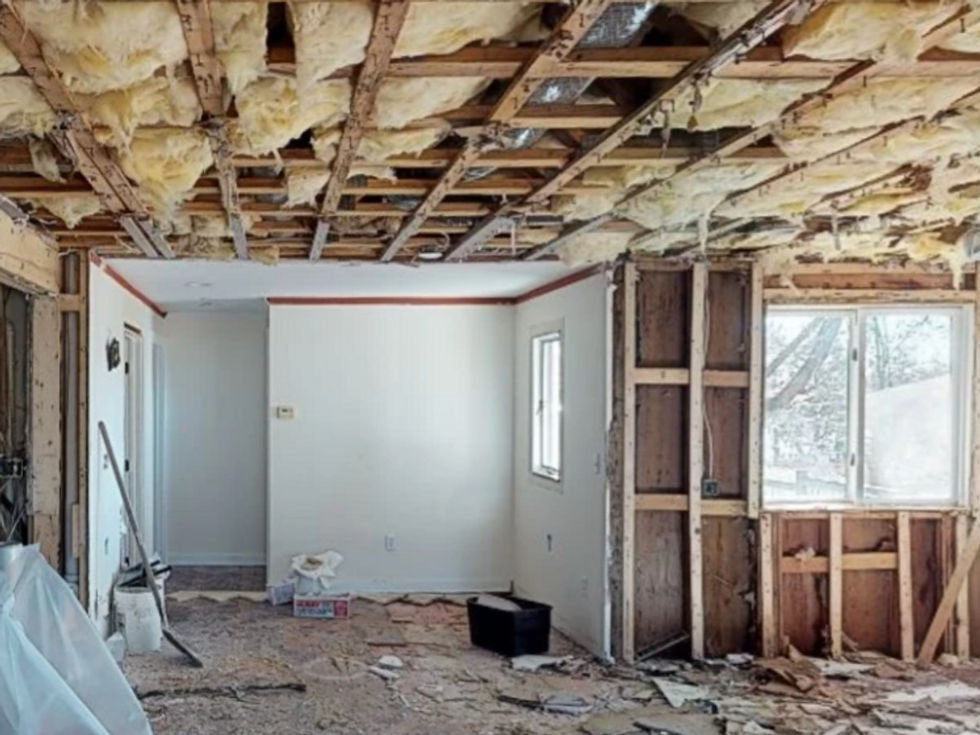
Ice dams form when melting snow refreezes near roof edges, trapping water behind it. That water has nowhere to go except back into the home. Damage from ice damming often impacts ceilings, insulation, trim, and electrical systems, even when the roof looks intact from the outside.

Slow Leaks That Go Unnoticed
Not all winter damage announces itself dramatically. Small leaks behind walls or above ceilings can continue for days or weeks before stains, sagging drywall, or warping become visible.
Early Warning Signs Homeowners Shouldn’t Ignore
Winter damage doesn’t always start with standing water. Warning signs can include:
Unexplained stains on ceilings or walls
Bubbling or peeling paint
Warped flooring or trim
Dripping sounds behind walls
Ice buildup along roof edges or gutters
These signs often indicate a larger issue already in progress.
What to Do If You Suspect Winter Damage
If you believe your home has been affected by winter-related water damage, the steps you take early on matter.
Stop the source of water if it’s safe to do so
Document visible damage as soon as possible
Avoid permanent repairs before the loss is fully evaluated
Understand that insurance claims are not just about repairs, but documentation and presentation
Many homeowners unintentionally limit their claim by acting too quickly or without guidance.
Call ACS immediately to help you navigate this properly for a successful insurance claim.
Why Proper Claim Guidance Matters
Winter water damage claims often involve multiple areas of coverage and damage that isn’t immediately visible. Without experienced guidance, portions of the loss can be overlooked or undervalued.
Advocate Claims Services works on behalf of homeowners and business owners, not insurance companies. Our role is to help ensure winter-related damage is properly documented, accurately scoped, and fairly represented throughout the entire claim process.
Don’t Let Winter Damage Define Your Outcome
Cold weather damage can be stressful, disruptive, and expensive. The right guidance early on can help prevent delays, disputes, and underpaid claims.
If your home experiences winter-related water damage, take a breath, gather information, and get the right support before moving forward.
📞 855-ACS-2-WIN

Comments